A roof problem usually starts small: a stain on the ceiling, a lifted shingle, a drip after rain, or debris where the roof should be intact. When that happens at a home or business, the next step is not guessing. It is getting the roof checked before a minor issue turns into wider damage.
Solar Roofers San Diego helps property owners across San Diego, CA address roof repair needs with clear recommendations, straightforward communication, and service built around the condition of the roof itself. We look at the source of the damage, explain what needs attention, and help you move from concern to a practical repair plan.
Roof trouble does not always look dramatic from the ground. Some of the most important signs are easy to overlook until they begin affecting ceilings, walls, insulation, or interior finishes. A careful response starts with knowing what to watch for.
If you notice one or more of these concerns, the safest move is to schedule a roof inspection before trying to cover the issue on your own. A temporary patch can hide the source without solving it.
Roof repair is not one single task. The right fix depends on the roof material, the area affected, and how far the damage has spread. Solar Roofers San Diego handles repairs across a range of residential and commercial roof conditions, including shingle, tile, flat, and solar-ready roofing systems.
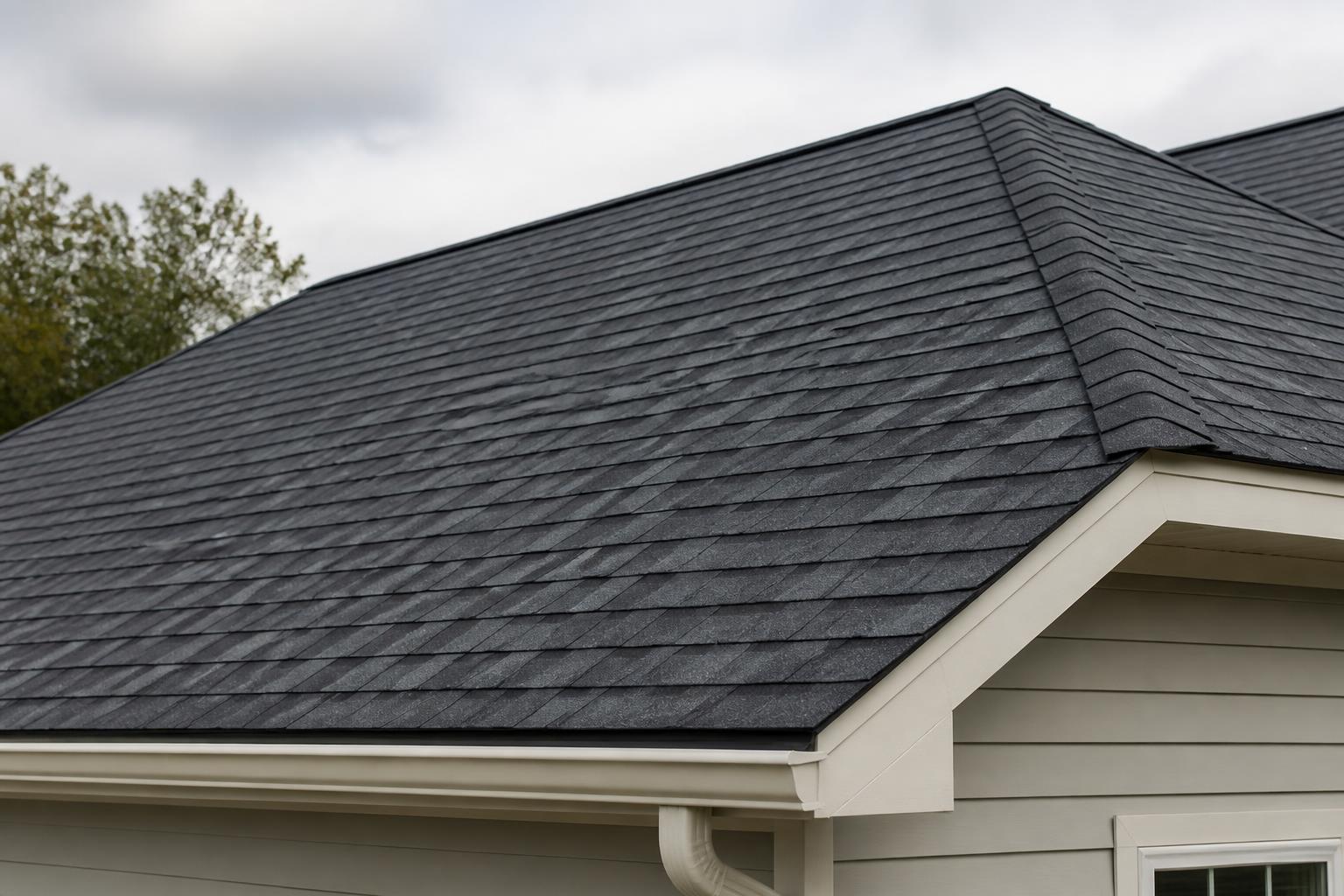
Shingle repairs often involve replacing damaged sections, re-sealing loose material, or correcting exposed underlayment. These repairs matter because a small opening can allow water to travel farther than expected.
Tile roofs may need cracked or displaced pieces reset or replaced. Flat roofs may require attention to seams, surface wear, or ponding-related trouble that affects water movement across the roof surface.
When roofing and solar integration matter, repair work has to account for both the roof surface and the areas supporting energy equipment. We review the visible roof condition so repair choices support the broader system, not just the damaged spot.
A roof repair visit should answer a few simple questions: where is the damage, how far does it extend, and what is the most effective fix. That is the approach we use on every inspection and repair recommendation.
We look for the point where water, wear, or movement began, not just the visible symptom inside the building.
We review nearby areas for soft spots, lifted edges, cracks, missing sections, or other signs of wider stress.
Roof edges, vents, skylight areas, and seams often reveal the reason a leak started.
We determine whether the issue calls for a focused fix or a larger section replacement.
You get a clear explanation of what was found and what should happen next, including whether roof replacement or maintenance may be worth considering later.
Roof repair should feel organized, not confusing. Once we understand the issue, the work follows a practical sequence designed to solve the damage without adding unnecessary scope.
First, we inspect the affected area and nearby roof sections. Then we explain the condition of the roof and outline the repair approach. After that, the repair is completed using materials and methods suited to the roof type and the damaged section. If additional concerns appear during the visit, we point them out so you can make an informed decision.
That process matters because a roof often tells a bigger story than one visible leak. A stain may originate from a flashing failure. A loose tile may reveal a larger movement issue. A flat roof seam may need more than a quick surface patch. Careful diagnosis is what keeps a repair targeted.
Roof damage can come from several sources, and the repair approach changes depending on what caused it. Understanding the cause helps avoid repeat trouble.
Sun exposure, age, and repeated weather cycles can weaken roofing materials and seal points. Even when damage is not obvious, older roof sections may need attention around seams, edges, and penetrations.
Falling branches, debris, or foot traffic can crack tiles, loosen shingles, or dent soft roof surfaces. The visible mark may be small, but the surrounding area still needs a close look.
Many leaks begin at connections rather than broad open areas. Flashing, joints, and roof transitions deserve careful attention because they carry a lot of the load when water moves across the roof.
Some roofs only need a focused repair. Others have reached a point where patching one section would not solve the larger problem. We help property owners compare the condition of the roof with the long-term value of the work.
A repair may make sense when the damage is isolated, the surrounding materials are still sound, and the rest of the roof has reasonable service life left. Roof replacement may be worth discussing when damage is spread across multiple areas, when materials are failing repeatedly, or when the roof no longer gives dependable protection.
We do not push a larger project when a targeted repair will do the job. At the same time, we do not recommend a patch when the roof condition calls for a more durable solution. That balance helps you spend attention where it matters.
Once roof repair is completed, the goal is to leave you with a clearer view of your roof condition and fewer unanswered questions. A finished repair should do more than close the visible opening. It should also help you understand what caused the issue and what areas deserve occasional attention.
For many property owners, the most useful part of the process is having a repair plan that fits the roof type, the visible damage, and the building’s needs.
Solar Roofers San Diego provides roof repair for properties throughout San Diego, CA and nearby communities including La Mesa, Lemon Grove, El Cajon, Santee, Chula Vista, National City, Imperial Beach, Poway, and surrounding areas. Whether the property is residential or commercial, the aim is the same: identify the source of the roof issue and address it with a focused repair approach.
If your roof has started showing signs of wear, do not wait for the damage to spread. A timely inspection can make the next decision much easier.
Look for ceiling stains, missing shingles, lifted edges, damaged flashing, visible debris, or areas that seem out of place after wind or rain. Even one sign is worth a closer look.
A small leak can spread water beyond the obvious entry point. The visible spot may stay small while the hidden damage grows behind surfaces.
No. The repair method depends on the roof type and the condition of the damaged section. Shingle, tile, and flat roofs each call for different materials and approaches.
That is the goal of a proper inspection. The visible stain or crack is often separate from the actual entry point, so the roof must be reviewed with that in mind.
Yes. When roofing and solar integration are part of the property, repairs need to account for the roof surface and the areas supporting those systems.
Take note of where you see the issue, when it appeared, and whether it changed after recent weather or roof activity. That information helps narrow down the inspection.
If you want a roof repair assessment from Solar Roofers San Diego, call +16196262171 to request a consultation or estimate. The office is located at 6161 Fairmount Ave Apt 535, San Diego, CA 92120, USA, and we are available seven days a week from 8:00 to 20:00.